Find Your Type & Boost Your Life
Explore Yourself
Online Myers-Briggs Personality Test to Uncover Your Type
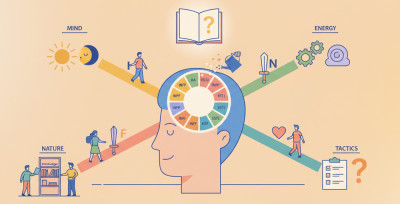 MBTI Explained: A Research-Informed Guide to Understanding Personality
New Updates

The Essential Guide to Free MBTI: Paths, Benefits, and Smart Use
What the MBTI Is and How It Helps
The MBTI is a popular self-report instrument inspired by Jungian psychological preferences, designed to illuminate...

Your In-Depth Guide to Online MBTI Personality Testing
Understanding the MBTI Landscape
The MBTI framework maps how people prefer to gather information, make decisions, and interact with the world, transl...

Understanding MBTI: A Fan’s Guide to the Myers-Briggs Perspective on Personality
Origins, Model, and Why It Still Captivates
Fans of personality systems often discover a vibrant world of ideas, language, and self-reflection that s...
Full Myers-Briggs Test (MBTI)
Get StartedReveal Your True Self With the Myers-Briggs Type Indicator Test
People crave language for their patterns, and that is why type theory continues to resonate across generations. Rather than boxing individuals in, a well‑applied framework offers a starting point for reflection, communication, and collaboration. The attraction lies in translating something abstract, inner preferences, into a vocabulary that everyday teams, couples, and communities can actually use without a PhD in psychology. Clear terms, memorable pairs, and humane descriptions allow learners to connect dots they already sense about themselves.
Within broader personality science, the Myers-Briggs framework is best understood as a model of preference rather than ability or skill. It clarifies how you tend to gather information, reach conclusions, replenish energy, and organize life, while leaving plenty of room for growth. By emphasizing normal differences, this approach often reduces friction and increases respect among people who think and decide in distinct ways.
When you look at historical context, the Myers-Briggs type indicator emerged as a practical tool that translated Jungian ideas into accessible pairs. Over decades, the instrument evolved through research, norming, and refinement, yet the heart of its value remains straightforward. It gives a neutral lens for seeing contrasts, which helps teammates disentangle style from substance and talk about work in terms that feel nonjudgmental and constructive.
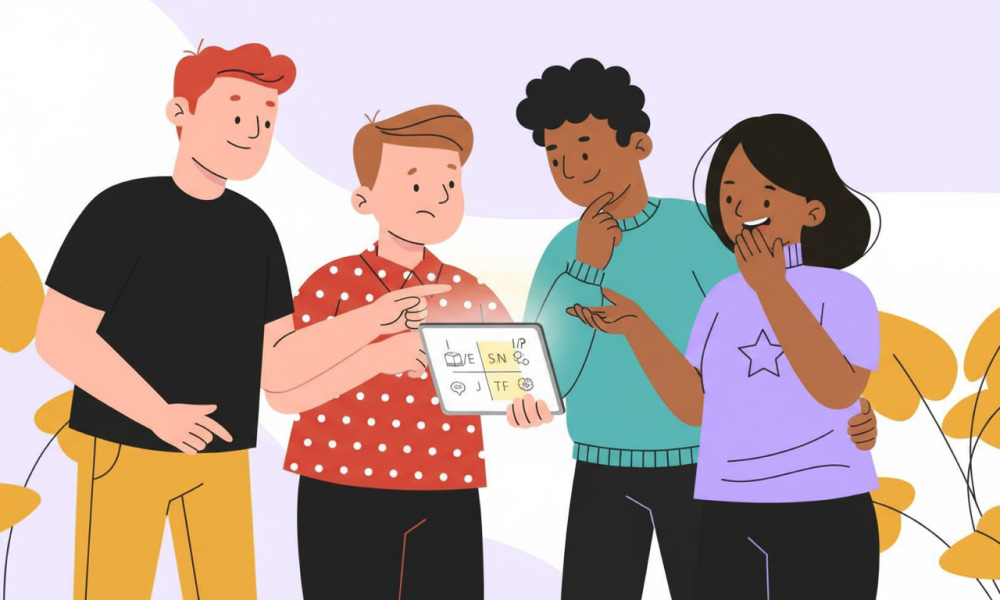
How the Model Works: Preferences, Pairs, and Patterns
At the center of the model are four preference pairs that interact: Extraversion–Introversion, Sensing–Intuition, Thinking–Feeling, and Judging–Perceiving. These dynamics combine into sixteen recognizable patterns that describe how people energize, perceive, decide, and plan. In many learning settings, the Myers-Briggs type indicator MBTI is presented as a language for understanding predictable tension points and complementarities among coworkers.
Exploration usually begins with an inventory that invites self‑reflection, dialogue, and verification. Many newcomers first encounter an assessment labeled a Myers-Briggs personality test, yet the most valuable step happens afterward when you validate results against lived experience. That conversation is where nuances surface, blind spots become visible, and one‑size‑fits‑all labels melt into a more precise understanding of your mindset.
When facilitators describe best practice, they emphasize informed choice and type clarity over speed. Rather than treating scores as destiny, a well‑run workshop uses data from a Myers-Briggs type indicator test as a catalyst for questions about daily habits and situational behavior. With that approach, the instrument becomes a mirror and a map, not a verdict, and the learning sticks far beyond the classroom.
Benefits in Work and Life: Communication, Decisions, and Team Health
Organizations adopt this framework because it turns interpersonal friction into solvable problems. Leaders can translate clashes into preference differences, then negotiate norms that help everyone contribute. When teams build shared awareness, brainstorming broadens, meetings run cleaner, and decision making uses complementary viewpoints intentionally. In personal life, partners can renegotiate routines so both feel energized and understood, rather than stuck in cycles of accidental misinterpretation. In the simplest terms, a good application of the Myers-Briggs test unlocks a common vocabulary for everyday collaboration.
- Project velocity improves when teammates know who needs data first, who seeks patterns, and who wants closure later in the cycle.
- Hiring and onboarding get smoother by clarifying role demands and giving newcomers a humane, nonjudgmental way to explain their style.
- Managers prevent burnout by aligning focus time, feedback cadence, and energy rhythms with each person’s best working conditions, which rivals promises of the most accurate Myers-Briggs test when it comes to real results.
- Conflict de‑escalates because disagreements get reframed as style differences, not character flaws, which opens the door to practical agreements.
For individual development, practice beats theory, and micro‑habits compound. You might begin by experimenting with a different meeting role, or by time‑boxing decisions to honor both exploration and closure. Gamified formats can help, and many people start with a brief Myers-Briggs personality quiz before diving into deeper workshops where reflection and coaching translate insights into durable behavior change.
Understanding the Sixteen Types: a Quick Map You Can Apply Today
The most confusing step for beginners is bridging letters to behavior. That is why summaries of Myers-Briggs personality test types should anchor on practical cues you can observe and use. Consider how people prefer to gather facts, how they share information in meetings, and what they need to feel confident in a decision. Small observations stack into useful patterns, helping you tailor your communication to fit the receiver, not just the sender.
| Preference Pair | Core Question | Practical Tip |
|---|---|---|
| Extraversion vs. Introversion | Where do you direct and renew energy? | Offer think‑aloud time for some and quiet prep for others. |
| Sensing vs. Intuition | What kind of information do you trust first? | Balance concrete facts with patterns and possibilities. |
| Thinking vs. Feeling | How do you weigh decisions? | State logical criteria and human impact side by side. |
| Judging vs. Perceiving | How do you approach structure and closure? | Set milestones that allow exploration before commitment. |
Even quick descriptions of the 16 personalities Myers-Briggs landscape become actionable when you connect type to everyday rituals. You can rotate roles in standups, vary agenda design, and adjust presentation flow so both detail‑seekers and big‑picture strategists can track. Over time, your team learns to engineer meetings that surface the best of each preference pair and minimize predictable friction.
Modern learners also want flexible access, which is why guided workshops often pair in‑person coaching with resources found via a Myers-Briggs test online experience. That blend supports reflection before discussion and reinforces insights afterward. The point is not to collect letters once but to practice translating preference knowledge into communication habits that compound weekly.
Taking an Assessment Wisely: Cost, Context, and Good Practice
Before you begin, decide what you want from the process, because purpose shapes method. If your goal is team development, consider facilitated sessions with time for feedback, application, and next steps you can measure. For personal exploration, independent study works well when paired with journaling and periodic check‑ins. Some learners ask about a Myers-Briggs test free option, while others prefer credentialed facilitation for group rollouts and leadership programs.
- Clarify whether your use case is coaching, team norms, or career exploration, then choose resources accordingly, including an MBTI test free alternative or a licensed instrument.
- Plan a debrief where you validate type using real scenarios, because self‑verification beats blind acceptance of any score report.
- Schedule a follow‑up to translate insights into experiments, and revisit outcomes so the learning converts into repeatable practices.
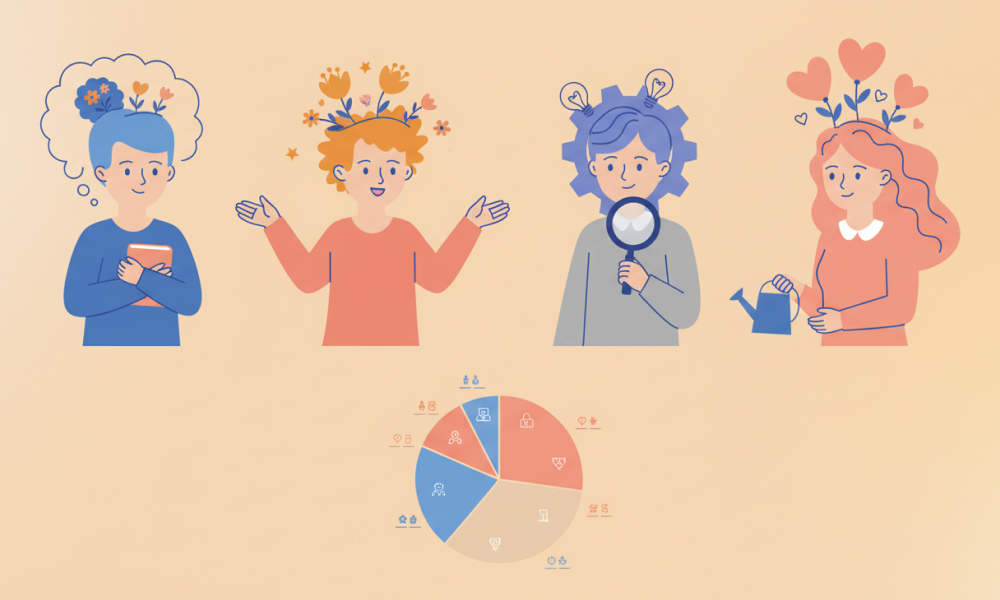
When budgets are tight, community education programs and libraries may help, and organizations sometimes sponsor cohorts. If you are comparing options, focus less on branding and more on the quality of the debrief, the practicality of tools, and the behavioral commitments you will test. In many contexts, people ask about a Myers-Briggs type indicator free path, but the return on investment usually hinges on how thoroughly you integrate the insights into your daily workflow.
From Insight to Action: Habits That Make Type Knowledge Count
The most valuable outcomes arrive after you turn awareness into routines. Translate preferences into norms for meetings, documentation, and decision gates so the environment fits different needs by design. You can pre‑circulate agendas, alternate who kicks off discussions, and build checklists that force a pause for both data and implications. For self‑management, calendar structure, break design, and reflection cadence can be tuned to the way you actually renew energy and make choices, which is more effective than chasing another free online Myers-Briggs test without application.
A simple rhythm keeps momentum alive. Start with one adjustment per week, such as time‑boxing brainstorming and leaving a window for consolidation, then inspect results together. Document agreements for recurring meetings, and invite teammates to signal what helps them contribute. With these small compounding changes, the language of type becomes part of how you build trust, ship work, and create a culture where different minds do their best thinking.
Full Myers-Briggs Test (MBTI)
Get StartedFrequently Asked Questions
-
Is this a measure of ability or intelligence?
No, it focuses on preferences, not competence, and it does not rank people from better to worse. The instrument highlights where energy flows and how decisions get shaped, while skills remain a separate conversation. That distinction prevents misuse and keeps the tool squarely in the realm of self‑understanding.
-
Can my type change over time?
Core preferences tend to be stable, yet behavior shifts with context, roles, and learned strategies. Many people notice that maturity broadens their toolkit, which can look like change when in fact they are flexing more effectively. Verification through reflection helps clarify what is preferred versus what is practiced.
-
How should teams implement this responsibly?
Use it as a shared language, not as a hiring filter or a gatekeeping device. Pair learning with explicit norms, practical experiments, and follow‑ups to see whether collaboration actually improves. Results become meaningful when they drive measurable changes in meetings, decisions, and project flow.
-
What if I relate to more than one pattern?
That is common because people operate across a spectrum, and context matters. Explore real scenarios and note what feels natural versus draining, then refine your best‑fit type through examples. The goal is clarity that helps you act, not a perfect label that never shifts.
-
Where should I focus after discovering my preferences?
Translate insights into one or two concrete habits, then review outcomes weekly. Aim for practices that respect your energy while stretching where collaboration requires it. Sustainable growth comes from small, repeatable adjustments that compound into better relationships and better work.